Can Diabetics Eat Potatoes? The Complete Guide to Low GI Potatoes in India
Over 101 million Indians live with diabetes — and most believe potatoes are off the table forever. Here’s why that’s no longer true.
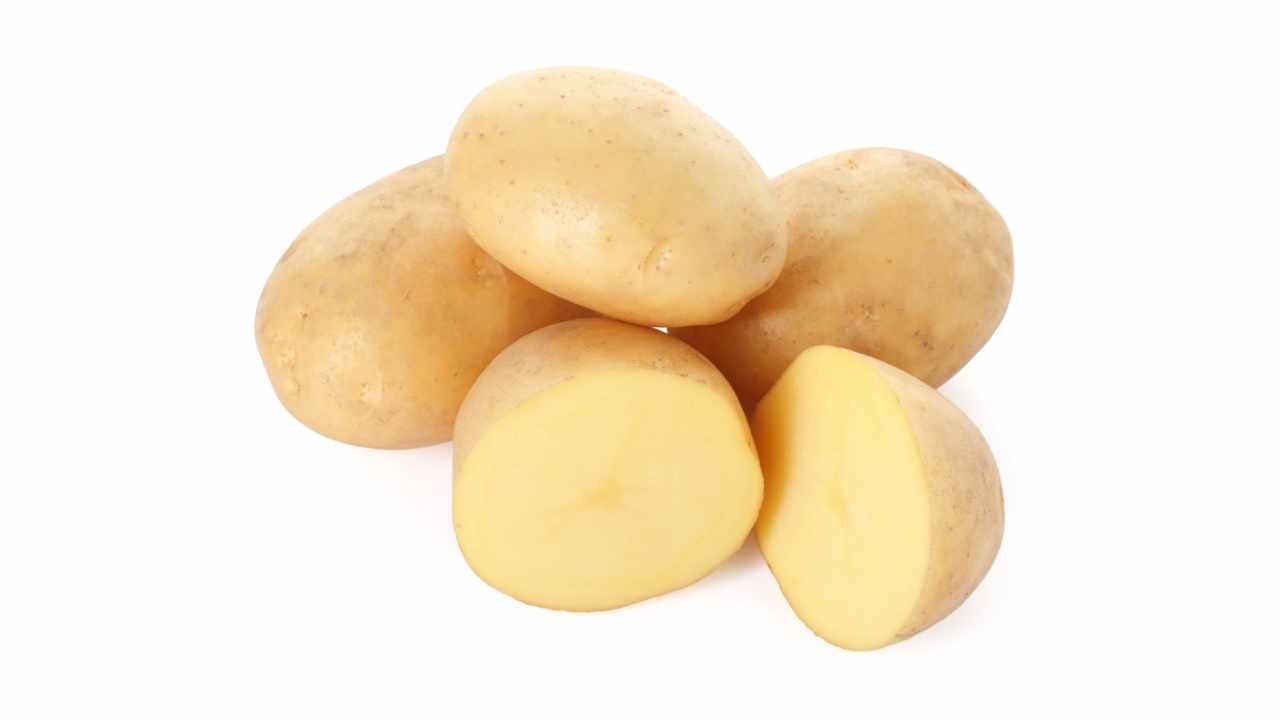
For the millions of Indians living with diabetes, potatoes have long been treated as the enemy. Doctors advise against them. Diet charts explicitly exclude them. Family members watch disapprovingly if a diabetic reaches for even a small piece of aloo in a subzi.
But here’s a question worth asking: is it the potato itself that’s the problem — or the type of potato we’ve been eating?
The answer, backed by decades of glycemic research from institutions like the University of Sydney and the University of Toronto, is transformative. Not all potatoes are created equal. Some varieties cause dramatic blood sugar spikes, while others behave more like pasta or basmati rice in your body. The key lies in a measure called the glycemic index — and one particular potato variety that’s now changing the game for diabetics across India.
The Diabetes Crisis in India — And Why Diet Matters More Than Ever
India is in the grip of a diabetes epidemic. The ICMR-INDIAB study — the largest nationally representative survey of diabetes in India, covering 113,043 individuals across all 31 states and union territories — estimated that 101 million people in India had diabetes in 2021, with an additional 136 million living with prediabetes.
Source: Anjana RM, et al. “Metabolic non-communicable disease health report of India: the ICMR-INDIAB national cross-sectional study.” The Lancet Diabetes & Endocrinology, 2023; 11(7): 474–489Source: ICMR-INDIAB Study, The Lancet Diabetes & Endocrinology, 2023
Diet is at the heart of this crisis. The Indian diet is heavily carbohydrate-dependent — rice, roti, paratha, and potatoes form the backbone of most meals. While lifestyle interventions and medications are critical, what you eat and which varieties of carbohydrate-rich foods you choose can profoundly impact blood sugar management.
This is precisely where the glycemic index becomes an indispensable tool — and where the right potato can make all the difference.
The Potato Problem — Why Diabetics Are Told to Avoid Them
Potatoes are deeply woven into the fabric of Indian cuisine. From aloo paratha in the north to batata vada in Maharashtra, from dum aloo in Kashmir to potato curry across every state — it’s nearly impossible to imagine Indian food without the humble potato.
Yet the standard medical advice for diabetics is stark: avoid potatoes. Most common potato varieties consumed in India have a glycemic index ranging from 70 to well over 100, placing them squarely in the high GI category. A study from the University of Sydney testing the effect of variety, cooking method, and maturity on potato GI found that potatoes, regardless of variety and cooking method, generally have exceptionally high GI values.
Source: Henry CJ, et al. “The glycaemic index of potatoes: the effect of variety, cooking method and maturity.” European Journal of Clinical Nutrition, 2005; 59(5): 644–651 — PubMedRegular potatoes have a GI of 70–100+, making them one of the highest glycemic vegetables. For diabetics, this means a sharp blood sugar spike followed by a crash — the roller-coaster effect that makes glucose management so difficult. But the problem isn’t potatoes as a food group — it’s the specific varieties most commonly available.
Source: Nayak B, et al. “The Glycemic Index and Human Health with an Emphasis on Potatoes.” Nutrients, 2022; 14(15): 3150 — PubMedFor the average Indian family where potatoes are a daily staple, this creates a painful choice: give up a food that’s central to their culinary tradition, or risk poor blood sugar control. For many, the idea of cooking without potatoes feels like losing a part of their identity.
Understanding the Glycemic Index — The Number Every Diabetic Should Know
The glycemic index is a scientifically validated measurement that ranks carbohydrate-containing foods on a scale of 0 to 100, based on how quickly they raise blood glucose levels after consumption compared to a reference food (pure glucose, which scores 100). Foods are classified into three categories:
Low GI (55 or below) — These foods are absorbed slowly, producing a gradual, gentle rise in blood sugar. Foods in this category are recommended for diabetics because they help maintain stable glucose levels throughout the day.
Medium GI (56–69) — These foods produce a moderate blood sugar response.
High GI (70 or above) — These foods are rapidly digested and absorbed, causing sharp, fast spikes in blood glucose. High GI foods trigger what researchers describe as a roller-coaster effect — a dramatic spike followed by a crash that stimulates hunger and cravings.
Source: GI classification per ISO 26642:2010 standard and the University of Sydney’s Glycemic Index Research Service (GIRS). glycemicindex.comThe glycemic index is not just a number — it’s a roadmap for making smarter food choices that can fundamentally change how your body manages blood sugar.
For diabetics, understanding GI isn’t optional — it’s essential. Research consistently shows that diets rich in low GI foods help reduce fasting glucose levels, improve insulin sensitivity, and lower the risk of diabetes-related complications. The glycemic index empowers you to make informed choices — not by eliminating entire food groups, but by choosing better varieties within those groups.
“Low Sugar” Potatoes vs. Low GI Potatoes — The Critical Difference
If you’ve visited a supermarket or retail chain recently, you may have noticed potatoes marketed as “low sugar” or “sugar-free.” Before you reach for them thinking they’re the diabetic-friendly answer, there’s a crucial distinction you need to understand.
“Low sugar” potatoes are not the same as low GI potatoes. This is perhaps the single most important fact in this entire article.
The term “low sugar” in the potato industry refers to potatoes with lower levels of reducing sugars — a parameter that matters primarily for the food processing industry. Reducing sugars cause browning during frying. Some potatoes may be treated with sprout suppressants like CIPC (Chlorpropham) to achieve this effect, then marketed with health-sounding labels. However, these potatoes may actually be higher in starch and calories, making them potentially worse for diabetics.
Source: Indian Potato — “The Potato Paradox: Low GI vs Low Sugar Potatoes.” indianpotato.com, 2025“Low sugar” potatoes have reduced reducing sugars — important for frying, not for health. They may actually be higher in starch and calories, making them potentially worse for diabetics.
Low GI potatoes like Carisma are scientifically tested and certified to produce a genuinely lower blood glucose response after eating. The glycemic index — not “sugar content” — is the metric that matters for diabetes management.
When shopping for diabetic-friendly potatoes, always look for certified glycemic index testing, not vague “low sugar” marketing claims.
Carisma — India’s Only Certified Low GI Potato
This is where the story changes for India’s 101 million diabetics. Carisma is a premium potato variety that has been scientifically bred and certified to have a low glycemic index of 53–55 — up to 45% lower than standard potato varieties.
In a peer-reviewed study published in the British Journal of Nutrition, researchers at the University of Sydney tested seven potato cultivars according to International Standard Organisation (ISO) guidelines. The cultivars had a wide range of GI values (53–103). The Carisma cultivar was the only variety classified as low GI.
Source: Ek KL, et al. “Discovery of a low-glycaemic index potato and relationship with starch digestion in vitro.” British Journal of Nutrition, 2014; 111(4): 699–705 — PubMed| Potato Variety / Food | Glycemic Index | Classification |
|---|---|---|
| Instant Mashed Potatoes | 82–87 | High GI |
| Baked Russet Potato | 94–111 | High GI |
| Standard Boiled White Potato | 80–85 | High GI |
| French Fries | 63–75 | Medium–High GI |
| Boiled Sweet Potato (30 min) | 46–61 | Low–Medium GI |
| Basmati Rice | 52–58 | Low GI |
| ✦ Carisma Potato (Boiled) | 53–55 | Low GI ✓ |
| Whole Wheat Pasta | 42–50 | Low GI |
Why Carisma stands apart
Certified, not claimed. Every crop of Carisma potatoes is tested at the time of harvest by accredited glycemic testing laboratories to verify its glycemic characteristics. This includes testing by GI Labs at the University of Toronto (led by Dr. Thomas Wolever) and the University of Sydney’s GIRS (led by Professor Jennie Brand-Miller).
Source: Nutrispud Carisma — “Why Is Carisma Unique?” (details EarthFresh and Agrico’s collaboration with Dr. Wolever and Prof. Brand-Miller)Controlled from field to fork. Environmental conditions can impact a potato’s GI, so Carisma growing locations are carefully chosen, and strict production and handling protocols are followed. Research by Dr. Kai Lin Ek at the University of Sydney, in collaboration with Dutch breeding company Agrico, enabled the development of these protocols.
Source: Ek KL, University of Sydney, presented at the International Congress of Nutrition, Granada, 2013. Glycemic Index FoundationNaturally bred and non-GMO. Carisma was developed through conventional plant crossings by Dutch breeding company Agrico. There is no genetic modification involved — just careful selection for naturally occurring low glycemic characteristics.
Source: Glycemic Index Foundation — “The naturally low GI spud story”Delicious and versatile. With a smooth, creamy texture and a delicate, slightly nutty flavour, Carisma potatoes are perfect for boiling, roasting, mashing, and all your favourite Indian recipes. Being low GI doesn’t mean compromising on taste.
The Science Behind Carisma’s Low Glycemic Index
What makes one potato spike your blood sugar while another doesn’t? The answer lies in its starch. All potatoes contain two types of starch: amylose and amylopectin. The ratio between these two starches is one of the most significant factors determining a potato’s glycemic impact.
Amylopectin has a branched molecular structure that is easily broken down by digestive enzymes, leading to rapid glucose absorption. Amylose has a linear structure that is more resistant to enzymatic digestion, releasing glucose gradually.
A study published in the journal Food Chemistry examined the starch properties of seven potato cultivars including Carisma. The research found that starch from the Carisma cultivar was more thermally stable and more resistant to gelatinization, with significantly higher pasting temperature and DSC gelatinization onset temperatures compared to other cultivars.
Source: Ek KL, et al. “Properties of starch from potatoes differing in glycemic index.” Food Chemistry, 2014; 164: 230–238 — PubMedFurthermore, the original discovery study confirmed that GI values were strongly and positively correlated with the percentage of in vitro enzymatic hydrolysis of starch in the cooked potatoes — meaning the science directly explains why Carisma behaves differently in your body.
Source: Ek KL, et al. “Discovery of a low-glycaemic index potato and relationship with starch digestion in vitro.” British Journal of Nutrition, 2014; 111(4): 699–705 — PubMedCarisma potatoes contain starch that resists rapid digestion. Instead of being quickly converted to glucose (causing a spike), the starch breaks down gradually — delivering sustained energy without the dramatic blood sugar roller-coaster. This is the same principle that makes foods like dal, whole oats, and basmati rice gentler on your blood sugar.
Additionally, research has shown that cooking and then cooling potatoes increases their resistant starch content — a type of fibre that passes through the digestive system without being converted to glucose. Cold preparations of Carisma (such as potato salad) can have an even lower glycemic impact.
Source: Fernandes G, et al. “Glycemic index of potatoes commonly consumed in North America.” Journal of the American Dietetic Association, 2005; 105(4): 557–562 — PubMedHow to Cook Potatoes for the Lowest Glycemic Impact
Even with a naturally low GI variety like Carisma, how you cook your potatoes matters. Here are evidence-backed strategies:
Boil, don’t bake or deep-fry. Boiling produces the lowest GI among all cooking methods. Baking and frying break down resistant starch and increase the glycemic response. Boil Carisma potatoes with the skin on for approximately 9 minutes until al dente.
Don’t overcook. Overcooking any starchy food increases its digestibility and raises its GI. Al dente is always better for blood sugar than overcooked and soft.
Cook, cool, then reheat. Cooking potatoes and then cooling them for 12–24 hours significantly increases resistant starch content. Even reheating after cooling retains much of this benefit.
Pair with protein, fat, or fibre. Eating potatoes alongside protein (dal, paneer, chicken), healthy fats, or fibre-rich foods slows digestion and reduces the overall glycemic impact.
Add acid. Vinegar, lemon juice, or tomato-based accompaniments can lower the GI of a potato-containing meal.
Eat the skin. Potato skin adds fibre, which helps slow glucose absorption.
Diabetic-Friendly Indian Potato Recipes with Carisma
One of the greatest joys of Carisma potatoes is that they bring potatoes back into the diabetic kitchen. Here are beloved Indian dishes you can enjoy again — prepared the low GI way:
Aloo Paratha — The Low GI Way
Use boiled and cooled Carisma potatoes for the stuffing. The cooling step increases resistant starch. Mix with fresh coriander, green chillies, cumin, and a pinch of amchur. Use whole wheat or multigrain atta for the dough. Serve with curd (protein) and a green salad for optimal blood sugar management.
Jeera Aloo (Cumin Potatoes)
Boil Carisma potatoes until al dente, then cool and cube them. Temper cumin seeds in a small amount of mustard oil or olive oil, add turmeric, and sauté the potato cubes briefly. The combination of the low GI potato, healthy fat, and fibre-rich spices creates a diabetes-friendly side dish.
Potato Raita
Boil and cool Carisma potatoes, dice them finely, and fold into fresh curd seasoned with roasted cumin, black salt, and fresh mint. This cold preparation maximises resistant starch content, and the protein from the curd further lowers the glycemic impact.
Aloo Palak (Spinach Potato Curry)
Combine cubed Carisma potatoes with fresh spinach in a lightly spiced gravy made with tomatoes, garlic, and ginger. The fibre from the spinach and the acidity from the tomatoes both contribute to a lower glycemic response.
Frequently Asked Questions
Can diabetics eat potatoes in India?
Yes — but the variety matters enormously. Standard potatoes have a high GI (70–100+) and should be limited. Carisma potatoes, with a certified GI of 53–55, are classified as low GI and can be included in a diabetic diet when consumed in moderation as part of a balanced meal with protein, fibre, and healthy fats.
What is the glycemic index of Carisma potatoes?
Carisma potatoes have a certified glycemic index of 53–55 when boiled al dente — classified as low GI according to ISO 26642:2010. This is up to 45% lower than regular potatoes. Each Carisma crop is tested at harvest by accredited laboratories.
Are low GI potatoes available in India?
Yes. Carisma is currently the only certified low glycemic index potato available in India. Seeds are sourced from the Netherlands (bred by Agrico) and cultivated in India. Available through Indpotato Private Limited, Pune. Enquire at +91 94996 68498 or info@indpotato.com.
What is the difference between low sugar potatoes and low GI potatoes?
Low sugar potatoes have reduced “reducing sugars” — a processing parameter that prevents browning during frying. These potatoes may be higher in starch and calories, offering no benefit for blood sugar management. Low GI potatoes like Carisma are scientifically tested (per ISO guidelines) to produce a genuinely lower blood glucose response.
How should I cook Carisma potatoes to keep the GI low?
Wash Carisma potatoes and boil them with the skin on for about 9 minutes until al dente. Avoid overcooking. Pair with protein, healthy fats, and fibre-rich foods. Cooking, cooling, and then reheating also increases resistant starch.
Are Carisma potatoes genetically modified?
No. Carisma potatoes are entirely non-GMO. They were developed through traditional plant breeding methods by Dutch company Agrico — conventional crossings of naturally occurring potato varieties selected for their low glycemic characteristics.
What is the nutritional profile of Carisma potatoes?
One medium (150g) Carisma potato contains approximately 70 calories, 15g carbohydrates, 3g fibre, and 3g protein. They provide about 20% of daily vitamin C and are a good source of potassium. Carisma potatoes have approximately 30% fewer digestible carbohydrates than standard varieties.
Where can I buy Carisma potatoes in India?
Carisma potatoes are available across India through Indpotato Private Limited. Enquire at +91 94996 68498 or email info@indpotato.com. Based in Pune, they serve customers nationwide.
Ready to Bring Potatoes Back to Your Table?
Carisma is India’s only certified low GI potato — naturally bred, non-GMO, and delicious. Get in touch today.
Enquire About Carisma Potatoes →Medical Disclaimer: This article is for informational purposes only and does not constitute medical advice. Always consult your physician, endocrinologist, or certified diabetes educator before making changes to your diet. Individual blood sugar responses may vary. Carisma potatoes should be consumed as part of a balanced diet and healthy lifestyle.