How Cooking Methods Affect the Glycemic Index of Potatoes
Boiling, baking, frying, or cooling — each method changes how your body digests potato starch. Here’s what the research says.
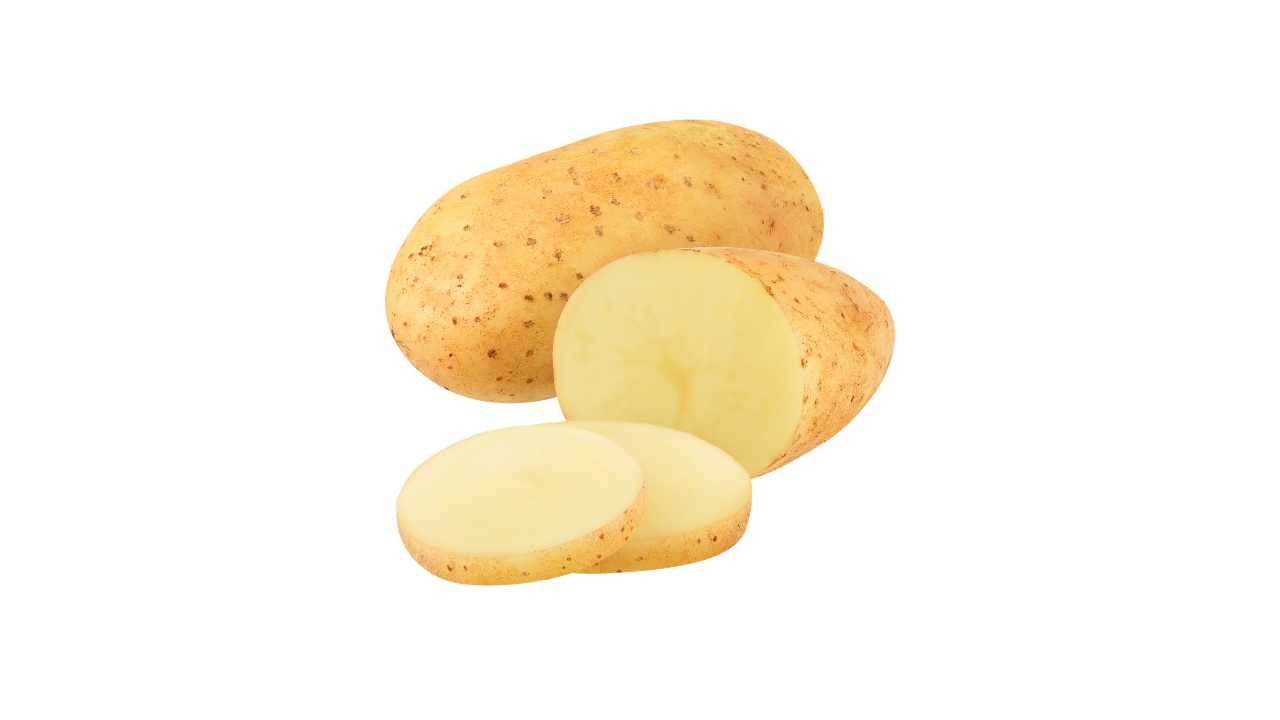
Here’s a fact that surprises most people: the same potato can have a GI of 56 or a GI of 94 — depending entirely on how you cook it. That’s the difference between a low GI food and one of the highest GI foods you can eat. Cooking method isn’t a minor detail — it’s one of the most powerful tools you have for managing the glycemic impact of potatoes.
Why Cooking Method Matters
When you cook a potato, heat causes the starch granules inside to absorb water and swell — a process called gelatinization. Gelatinized starch is much easier for your digestive enzymes to break down, which means glucose is released faster into your bloodstream. The more thoroughly the starch is gelatinized, the higher the GI.
Different cooking methods apply heat differently — varying in temperature, duration, and moisture level. This creates dramatically different degrees of starch gelatinization, and therefore dramatically different glycemic responses from the same potato.
A comprehensive review published in Nutrients confirmed that GI values in potatoes are affected by methods of cooking, methods of processing, resistant starch content, and cultivation methods — with cooking being one of the most significant external factors.
Source: Nayak B, et al. “The Glycemic Index and Human Health with an Emphasis on Potatoes.” Nutrients, 2022; 14(15): 3150 — PubMedBoiling — The Lowest GI Among Hot Methods
Boiling consistently produces the lowest GI of any hot cooking method for potatoes. A study from the University of Sydney found that boiled potatoes had lower glycemic responses than baked, microwaved, or fried potatoes of the same variety. The moist-heat environment of boiling gelatinizes the starch, but less aggressively than the dry, intense heat of baking.
Source: Henry CJ, et al. “The glycaemic index of potatoes: the effect of variety, cooking method and maturity.” European Journal of Clinical Nutrition — PubMedA Swedish study comparing boiled, mashed, and fried potatoes found that boiled potatoes were more satiating than French fries on an energy-equivalent basis, with French fries producing a lower early glycemic response but comparable total response.
Source: Leeman M, et al. “Glycaemic and satiating properties of potato products.” European Journal of Clinical Nutrition, 2008; 62(1): 87–95 — PubMedBoil potatoes with the skin on until al dente — not mushy. Overcooking increases starch gelatinization and raises GI. Think of potatoes like pasta: al dente is always better for blood sugar than overcooked.
Baking — Significantly Higher GI
Baking exposes the potato to dry, high-intensity heat for an extended period, causing extensive starch gelatinization and breakdown of resistant starch. Research on North American potatoes found that baked Russet potatoes had a GI of 77 — significantly higher than many other preparations of the same or similar varieties.
Source: Fernandes G, et al. “Glycemic index of potatoes commonly consumed in North America.” Journal of the American Dietetic Association, 2005; 105(4): 557–562 — PubMedThe effect is even more dramatic with sweet potatoes: boiled sweet potatoes have a GI of approximately 46, while baked sweet potatoes can reach 94 — more than double. The dry heat of baking destroys resistant starch far more effectively than boiling.
Source: GI values from the University of Sydney GI Database.Frying — A Surprising Middle Ground
Contrary to what many expect, French fries often have a lower GI than boiled potatoes consumed hot. The Swedish study found that French fries had a GI of 77, compared to 111 for boiled Desiree potatoes. This is because frying creates a crust that slows starch digestion, and the fat content of fried potatoes delays gastric emptying.
Source: Leeman M, et al. European Journal of Clinical Nutrition, 2008 — PubMedHowever, this does not make French fries a healthy choice for diabetics. While the GI may be moderate, the high calorie density, unhealthy trans fats, and excessive sodium in fried potatoes create other serious health risks. A lower GI doesn’t compensate for the overall nutritional damage of deep-frying.
The same potato can be a low GI food or a high GI food — the cooking method is the deciding factor.
Cooling — The Resistant Starch Advantage
This is perhaps the most powerful cooking technique for lowering potato GI. When cooked potatoes are cooled for 12–24 hours, the gelatinized starch undergoes retrogradation — it re-crystallizes into a form that resists digestion. This retrograded starch is classified as resistant starch (RS3), which passes through the digestive system without being converted to glucose.
Research by Fernandes et al. found that boiled red potatoes consumed cold had a GI of 56, compared to 89 when consumed hot — a reduction of 37%. The International Tables of GI Values show that cold, cooked potatoes average a GI of approximately 49 — firmly in the low GI range.
Source: Fernandes G, et al. Journal of the American Dietetic Association, 2005 — PubMedEven more remarkably, precooking Russet potatoes (cooking, refrigerating, then reheating) produced lower blood glucose responses than freshly cooked potatoes in the same study — suggesting that the resistant starch benefit persists even after reheating.
Cook potatoes, cool them in the refrigerator for 12–24 hours, then eat them cold or gently reheat. This increases resistant starch and can drop the GI by 30–40%. Cold preparations like potato salad, raita, or chilled aloo chaat are ideal for blood sugar management.
Pairing — How Accompaniments Lower GI
What you eat with your potatoes matters too. A study published in the European Journal of Clinical Nutrition found that adding cheese to a baked potato reduced its GI from high to just 39 — classified as low GI. The addition of protein, fat, and fibre consistently lowered the glycemic impact across all tested carbohydrate-rich foods.
Source: Henry CJ, et al. “The impact of the addition of toppings/fillings on the glycaemic response to commonly consumed carbohydrate foods.” European Journal of Clinical Nutrition, 2006; 60(7): 817–824 — PubMedIn Indian cooking, this translates to practical pairings: potatoes with dal (protein + fibre), with curd/raita (protein + fat), with paneer (protein + fat), or with a green salad (fibre). Adding lemon juice or vinegar (acid) also lowers the glycemic response.
The Complete Cooking Method GI Table
| Cooking Method | Typical GI Range | Classification |
|---|---|---|
| Baked (Russet, no skin) | 77–94 | High GI |
| Instant Mashed | 82–88 | High GI |
| Boiled (hot, regular variety) | 78–90 | High GI |
| Microwaved | 79–82 | High GI |
| French Fries | 63–77 | Medium–High GI |
| Boiled (cold, regular variety) | 49–56 | Low GI |
| ✦ Carisma Boiled (al dente) | 53–55 | Low GI ✓ |
| Potato with cheese topping | 39 | Low GI |
How to Cook Carisma for the Lowest GI
Carisma potatoes start with a natural advantage — a GI of 53–55 even when boiled hot. This is already lower than most regular potatoes consumed cold. But you can optimise further:
Best method: Wash Carisma potatoes with skin on. Bring water to a gentle boil, add potatoes, and cook for approximately 9 minutes until al dente. This is the exact method used in the ISO-standard clinical trials that established Carisma’s low GI value.
Source: Ek KL, et al. British Journal of Nutrition, 2014 — PubMed. Also: Glycemic Index Foundation (Ek KL presentation, 9-minute boiling recommendation).Even better: Cook Carisma, cool in the refrigerator for 12–24 hours, then serve cold or gently reheat. This combines the inherent low GI of the variety with the resistant starch benefit of cooling — potentially achieving a GI well below 50.
Pair smartly: Serve with dal, curd, paneer, or vegetables. Add a squeeze of lemon. Each of these reduces the glycemic impact further.
Frequently Asked Questions
Which cooking method produces the lowest GI for potatoes?
Among hot preparations, boiling produces the lowest GI. Overall, cooking and then cooling potatoes for 24 hours produces the lowest GI (approximately 49) due to resistant starch formation.
Does baking potatoes increase the GI?
Yes, significantly. Dry, high-intensity heat breaks down resistant starch extensively. Baked sweet potatoes can reach GI 94, compared to 46 when boiled for 30 minutes.
Are French fries lower GI than boiled potatoes?
Sometimes yes — frying creates a crust that slows starch digestion, and fat delays gastric emptying. But fries are still unhealthy due to high calories, trans fats, and sodium. A lower GI does not make them a good choice for diabetics.
Does reheating cold potatoes raise the GI back up?
Research suggests that some resistant starch benefit persists after reheating, though the GI may be slightly higher than when consumed cold. Gentle reheating is better than vigorous re-cooking.
What is the best way to cook Carisma potatoes?
Boil with skin on for approximately 9 minutes until al dente. This is the ISO-standard method used in clinical trials. For even lower GI, cook, cool for 12–24 hours, then serve cold or gently reheat.
Does adding toppings really lower potato GI?
Yes. Research showed that adding cheese reduced baked potato GI to just 39 (low GI). Protein, fat, and fibre all slow glucose absorption and reduce the glycemic response.
Start with a Low GI Potato — Cook It Smart
Carisma is already low GI at 53–55. The right cooking method makes it even better.
Enquire About Carisma Potatoes →Medical Disclaimer: This article is for informational purposes only and does not constitute medical advice. Always consult your physician or certified diabetes educator before making changes to your diet. Individual blood sugar responses may vary.