10 Low Sugar, Low GI Foods Every Indian Kitchen Should Have
Build a diabetes-friendly pantry with these essential low glycemic index foods — all easily available across India.
Managing diabetes doesn’t mean giving up Indian food. It means being smarter about which foods fill your kitchen. The glycemic index gives you a simple, science-backed way to choose carbohydrates that keep blood sugar stable — and the good news is that many of India’s most beloved staples are already low GI.
Here are 10 essential low GI foods that belong in every Indian kitchen — each backed by peer-reviewed research.
1. Chana Dal (GI: 8–11)
Chana dal is one of the lowest GI foods on the planet. A study testing Indian traditional carbohydrate foods found that rice-legume combinations using Bengal gram (chana) produced significantly lower glycemic responses than rice alone. Chana dal’s extremely low GI makes it one of the most powerful blood sugar-stabilising foods available in any Indian kitchen.
Source: Patel JC, et al. “Glycemic index of traditional Indian carbohydrate foods.” Journal of the American College of Nutrition, 1990 — PubMedUse it in dal tadka, chana dal vada, or add it to rice to significantly reduce the overall meal GI.
2. Moong Dal (GI: 25–31)
Green gram dal — whether whole or split — has a consistently low GI. Research on Indian carbohydrate profiling confirmed that legume-based preparations like moong dal produce low glycemic responses, and pairing legumes with higher GI foods in a meal can favourably modify the overall glycemic response.
Source: Shobana S, et al. “Carbohydrate profiling & glycaemic indices of selected traditional Indian foods.” Indian Journal of Medical Research, 2022 — PubMedMoong dal is incredibly versatile — dal, cheela, khichdi, sprouts, and soups. It’s also easy to digest, making it ideal for children, elderly, and pregnant women.
3. Rajma — Kidney Beans (GI: 24–29)
All legumes tend to have low GI values, and rajma is no exception. The high fibre and protein content of kidney beans slows digestion and glucose absorption. A study comparing dried peas with potatoes in mixed meals for type 2 diabetics found that legume-based meals produced dramatically lower blood glucose responses than potato-based meals — supporting the recommendation to increase legume consumption at the expense of high GI foods.
Source: Panlasigui LN, et al. “Comparison of the effects of dried peas with those of potatoes in mixed meals on postprandial glucose and insulin concentrations in patients with type 2 diabetes.” The American Journal of Clinical Nutrition, 2003 — PubMedRajma-chawal is one of India’s favourite meals — and with basmati rice (see below), it becomes a low GI combination.
4. Basmati Rice (GI: 50–55)
Not all rice is high GI. A multi-centre study published in the Journal of Food Science and Technology found that Indian branded basmati rice had a GI below 55, placing it in the low GI category — a significantly better option than polished white rice varieties like Sona Masuri (GI 72), Ponni (GI 70), or Surti Kolam (GI 77).
Source: Kaur B, et al. “Glycaemic index (GI) of an Indian branded thermally treated basmati rice variety: a multi centric study.” Journal of Food Science & Technology, 2014 — PubMedThe three common Indian rice varieties (Sona Masuri, Ponni, Surti Kolam) were all classified as high GI in a study from the Madras Diabetes Research Foundation — reinforcing the importance of choosing basmati specifically.
Source: Shobana S, et al. “Glycaemic index of three Indian rice varieties.” International Journal of Food Sciences & Nutrition, 2012 — PubMedManaging diabetes with Indian food isn’t about eating less — it’s about choosing the right varieties of the foods you already love.
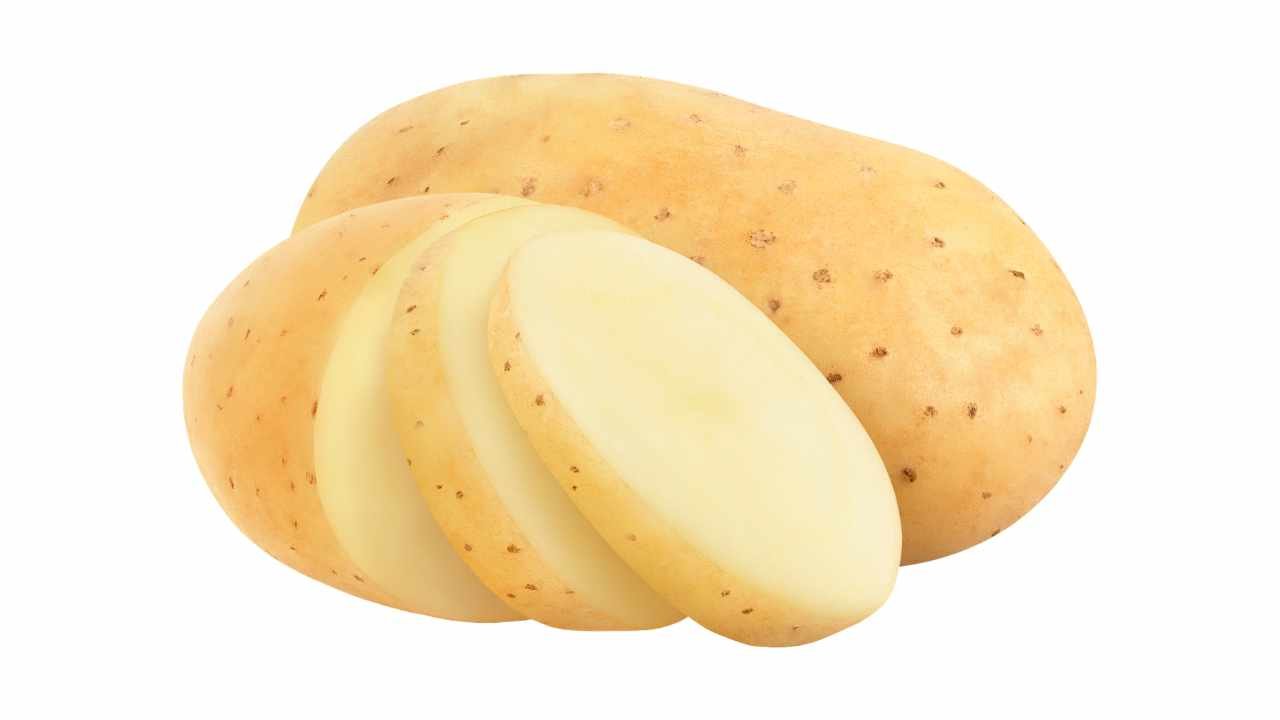
5. Carisma Potatoes (GI: 53–55)
The only certified low GI potato available in India. In a peer-reviewed study testing seven potato cultivars according to ISO guidelines, Carisma was the only variety classified as low GI — with a value of 53, compared to 69–103 for all other varieties tested.
Source: Ek KL, et al. “Discovery of a low-glycaemic index potato and relationship with starch digestion in vitro.” British Journal of Nutrition, 2014; 111(4): 699–705 — PubMedCarisma replaces regular potatoes in any recipe — aloo paratha, jeera aloo, potato curry, raita — without the blood sugar spike. It’s naturally bred, non-GMO, and every crop is tested at harvest to verify its low GI.
Regular potatoes (GI 78–90+) are one of the highest GI foods Indians eat daily. Simply swapping regular potatoes for Carisma in your existing recipes is one of the single most impactful changes you can make — without changing what you cook or how you cook it.
6. Whole Oats & Dalia (GI: 50–55)
Whole oats (not instant) and broken wheat dalia are low GI breakfast options rich in soluble fibre, which slows glucose absorption. Note the distinction: instant oats have a significantly higher GI (around 79) because the processing breaks down the grain structure. Always choose whole or steel-cut oats for the lowest glycemic impact.
Source: GI values from the University of Sydney GI Database and International Tables of Glycemic Index Values, 2021.Make oats upma, dalia khichdi, or overnight oats with curd and nuts for a filling, low GI start to the day.
7. Curd / Yogurt (GI: 14–23)
Curd is one of the lowest GI foods available — and it’s a staple in virtually every Indian household. The combination of protein, fat, and lactose in curd produces a very gentle blood sugar response. Adding curd to any meal lowers the overall glycemic impact — which is why pairing potato dishes with raita is not just tradition, it’s smart nutrition.
Source: GI values from the University of Sydney GI Database.8. Ragi — Finger Millet (GI: 50–68, varies by preparation)
Ragi is a nutritional powerhouse — rich in calcium, iron, and fibre. Its GI varies significantly depending on preparation: ragi flour mixed with legumes and prepared as porridge can achieve a low-to-medium GI, while highly processed ragi products tend to be higher GI. Research on Indian carbohydrate foods confirmed that structural integrity and preparation method significantly affect millet GI values.
Source: Shobana S, et al. “Carbohydrate profiling & glycaemic indices of selected traditional Indian foods.” Indian Journal of Medical Research, 2022 — PubMedFor the lowest GI, prepare ragi as whole-grain mudde (balls) or mix ragi flour with chana dal flour. Avoid highly refined ragi-based processed foods.
9. Barley — Jau (GI: 28–35)
Barley is one of the most underutilised grains in Indian cooking, yet it has one of the lowest GIs of any cereal. It’s exceptionally high in beta-glucan, a soluble fibre that has been shown to reduce postprandial glucose responses and improve insulin sensitivity. Whole barley (jau) can be used in soups, porridge, rotis (mixed with wheat flour), and sattu drinks.
Source: GI values from the University of Sydney GI Database and International Tables of Glycemic Index Values, 2021.10. Low GI Fruits — Apple, Guava, Pear, Orange
Most whole, fresh fruits have a low to medium GI. Apples (GI 36–40), guavas (GI 12–24), pears (GI 33–41), and oranges (GI 40–48) are excellent choices. The fibre, water content, and cellular structure of whole fruits slow sugar absorption dramatically compared to fruit juices (which are high GI and should be avoided).
Source: GI values from the University of Sydney GI Database.Eat fruits whole, with the skin when possible. Avoid juicing, which removes fibre and concentrates sugar, significantly raising the GI.
Quick Reference: The Low GI Indian Kitchen
| Food | Glycemic Index | Classification |
|---|---|---|
| Chana Dal | 8–11 | Low GI |
| Curd / Yogurt | 14–23 | Low GI |
| Rajma (Kidney Beans) | 24–29 | Low GI |
| Moong Dal | 25–31 | Low GI |
| Barley (Jau) | 28–35 | Low GI |
| Apple | 36–40 | Low GI |
| Basmati Rice | 50–55 | Low GI |
| Whole Oats / Dalia | 50–55 | Low GI |
| ✦ Carisma Potatoes | 53–55 | Low GI ✓ |
| Ragi (whole grain prep) | 50–68 | Low–Medium GI |
You don’t need exotic superfoods or expensive supplements. India’s own traditional foods — dal, curd, basmati rice, barley, millets, and fresh fruits — are naturally low GI. Add Carisma potatoes to the mix, and you have a complete, diabetes-friendly kitchen that doesn’t sacrifice taste, tradition, or satisfaction.
Complete Your Low GI Kitchen with Carisma
India’s only certified low GI potato — the missing piece in your diabetes-friendly pantry.
Enquire About Carisma Potatoes →Medical Disclaimer: This article is for informational purposes only and does not constitute medical advice. Always consult your physician or certified diabetes educator before making changes to your diet. Individual blood sugar responses may vary.