Can You Eat Potatoes and Still Lose Weight? The Low GI Advantage
Yes, you can. Here’s how low glycemic index potatoes help with satiety, appetite control, and sustainable weight management.
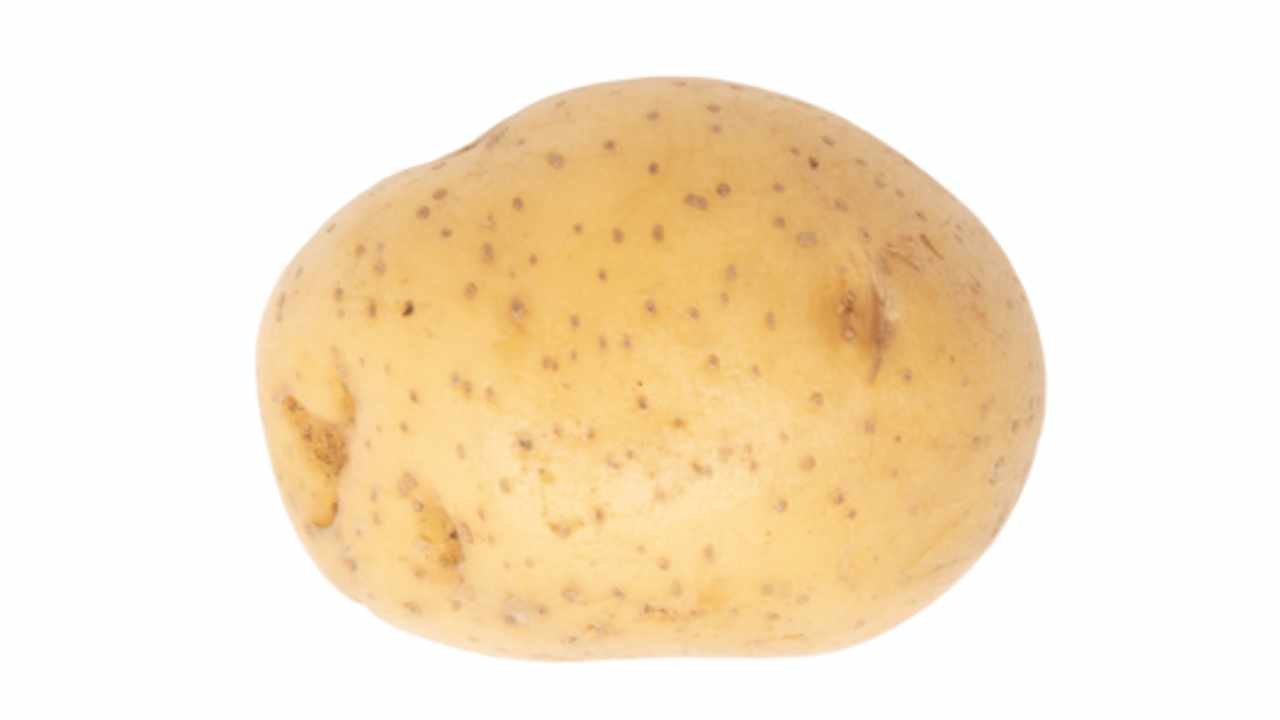
Potatoes are one of the first foods people eliminate when trying to lose weight. They’re labelled as “fattening,” “starchy,” and “empty carbs.” Diet plans routinely ban them. Weight loss apps flag them as red-light foods.
But the science tells a more nuanced story — and for those who choose the right variety, potatoes can actually support weight management rather than sabotage it.
The Myth: Potatoes Make You Fat
Let’s start with the facts. A medium boiled potato (150g) contains approximately 70–93 calories — comparable to an apple or a cup of cooked rice. Potatoes are naturally fat-free, contain 2–3g of fibre, and provide meaningful amounts of vitamin C, potassium, and vitamin B6. On their own, potatoes are not a calorie-dense or nutritionally empty food.
The problem isn’t the potato — it’s what we do to it. French fries, chips, butter-loaded mashed potatoes, and deep-fried aloo tikki transform a modest vegetable into a calorie bomb. And equally important, high GI potato varieties trigger a blood sugar spike-and-crash cycle that drives hunger and overeating — a mechanism that has nothing to do with the potato’s calories and everything to do with its glycemic impact.
The Science: Low GI Diets and Weight Loss
A systematic review and meta-analysis of 101 studies involving 8,527 participants found that low GI diets resulted in significant improvements in body weight, BMI, and cholesterol levels. When the GI difference between the low GI and control diets was 20 points or more, the weight loss effect was even larger.
Source: Zafar MI, et al. “Low glycaemic index diets as an intervention for obesity: a systematic review and meta-analysis.” Obesity Reviews, 2019; 20(2): 290–309 — PubMedThe GLYNDIET trial — a 6-month randomized controlled study in 122 overweight adults — found that participants on a low GI diet achieved significantly greater reductions in BMI than those on a low-fat diet, along with improved insulin resistance and beta-cell function.
Source: Juanola-Falgarona M, et al. “Effect of the glycemic index of the diet on weight loss, modulation of satiety, inflammation, and other metabolic risk factors.” The American Journal of Clinical Nutrition, 2014; 100(1): 27–35 — PubMedThe large-scale DiOGenes study (932 overweight adults across 8 European countries) found that a diet combining moderate protein with low GI carbohydrates was the most effective for maintaining weight loss after an initial calorie-restricted phase — and was the only dietary pattern that prevented weight regain.
Source: Gögebakan Ö, et al. “Effects of weight loss and long-term weight maintenance with diets varying in protein and glycemic index on cardiovascular risk factors.” Circulation, 2011; 124(25): 2829–2838 — PubMedThe question isn’t whether potatoes are “allowed” in a weight loss diet. The question is: which potatoes — and how are they prepared?
The Blood Sugar Roller-Coaster and Hunger
High GI foods cause a rapid spike in blood glucose, triggering a surge of insulin. This insulin surge drives blood sugar below baseline — a phenomenon known as reactive hypoglycemia — which the brain interprets as a signal to eat. The result: hunger, cravings (usually for more high GI foods), and overeating. It’s a vicious cycle that has nothing to do with willpower.
Prof. Jennie Brand-Miller’s comprehensive review of GI and health found that a large body of evidence — including observational studies, randomized controlled trials, and mechanistic experiments — supports low GI carbohydrate diets for obesity prevention through mechanisms related to appetite stimulation, fuel partitioning, and metabolic rate.
Source: Brand-Miller J. “Dietary glycemic index: health implications.” Journal of the American College of Nutrition, 2009; 28(sup4): 446S–449S — PubMedLow GI foods break this cycle. By releasing glucose gradually, they maintain stable blood sugar levels, prevent reactive hypoglycemia, and naturally reduce appetite and cravings — without requiring you to eat less or go hungry.
Potatoes and Satiety — A Surprising Finding
Here’s something that may surprise you: potatoes are among the most satiating foods ever tested. In the classic “Satiety Index” study by Dr. Susanna Holt at the University of Sydney, boiled potatoes scored the highest of all 38 foods tested — more than three times more satiating than white bread, and more filling than any protein, fat, or carbohydrate source tested.
A randomized crossover trial specifically comparing Carisma (low GI) with Arizona (high GI) potatoes found no significant difference in satiety between the two varieties when served in equal portions — meaning Carisma is just as filling as a standard potato, but with a dramatically lower blood sugar impact.
Source: Holm NMR, et al. “Comparison of Low Glycaemic Index and High Glycaemic Index Potatoes in Relation to Satiety.” Nutrients, 2018; 10(11): 1726 — PubMedCarisma potatoes give you the best of both worlds: the exceptional satiety (fullness) that all potatoes provide, combined with the stable blood sugar and reduced hunger cycle of a low GI food. You feel full, stay full, and don’t get the crash-driven cravings that high GI potatoes trigger.
Carisma: The Weight-Friendly Potato
With a certified GI of 53–55, Carisma potatoes avoid the spike-and-crash blood sugar pattern that drives overeating. At approximately 70 calories per medium potato (150g) with 30% fewer digestible carbohydrates than standard varieties, they’re a nutrient-dense, filling food that fits comfortably into a weight management plan.
A review of low GI diets and metabolic disease found that low GI eating acutely induces a number of favourable effects including weight loss, decreased fasting glucose and insulin levels, and reduction of circulating triglyceride levels — all of which support sustainable weight management.
Source: Rizkalla SW. “Metabolic effects of low glycaemic index diets.” Nutrition Journal, 2009; 8(1): 5 — PubMedThe practical advantage is significant: instead of eliminating potatoes from your diet (and missing their satiety, potassium, vitamin C, and culinary versatility), you can simply swap regular potatoes for Carisma and continue enjoying all your favourite recipes — while supporting your weight goals.
Practical Tips for Including Potatoes in a Weight Loss Diet
Choose Carisma. With a certified GI of 53–55, Carisma avoids the hunger-triggering blood sugar crash of regular potatoes (GI 78–90+).
Boil, don’t fry. A boiled potato is 70–93 calories. Deep-fried potato chips from the same weight can be 300+ calories. The cooking method matters as much as the variety.
Cook, cool, then eat. Cooling potatoes for 12–24 hours increases resistant starch — a fibre that your body can’t convert to calories. Cold potato salad or chilled raita is a weight-loss-friendly preparation.
Pair with protein and fibre. Potatoes with dal, curd, chicken, or a big vegetable salad create a balanced meal that keeps you full for hours.
Watch portions, not potatoes. A moderate serving (one medium potato, 150g) as part of a balanced meal is perfectly appropriate. It’s the entire packet of chips or the mountain of fried aloo that causes problems — not the potato itself.
Skip the heavy add-ons. Butter, cream, cheese sauce, and deep-frying transform a low-calorie vegetable into a high-calorie dish. Use herbs, spices, lemon, and modest amounts of healthy fat instead.
Frequently Asked Questions
Are potatoes fattening?
No. A medium boiled potato has only 70–93 calories. Potatoes become “fattening” when deep-fried, loaded with butter/cream, or when high GI varieties trigger overeating through blood sugar crashes. The potato itself is a modest, nutrient-rich vegetable.
Can low GI potatoes help with weight loss?
Yes. A meta-analysis of 101 studies found that low GI diets significantly reduce body weight and BMI. Low GI foods provide stable energy, reduce hunger, and prevent the cravings that lead to overeating.
How many calories are in Carisma potatoes?
One medium Carisma potato (150g) contains approximately 70 calories, 15g carbohydrates, 3g fibre, and 3g protein — with 30% fewer digestible carbohydrates than standard potatoes.
Are potatoes more filling than other foods?
Yes. In the Satiety Index study, boiled potatoes scored the highest of all 38 foods tested — more than three times more satiating than white bread. Carisma provides this same exceptional satiety with a much lower glycemic impact.
Should I avoid potatoes on a diet?
No — you should choose the right potatoes and prepare them smartly. Boiled Carisma potatoes (GI 53–55) paired with protein and vegetables make an excellent, satisfying diet meal. Avoid fried preparations and high GI varieties.
Enjoy Potatoes Without the Guilt
Carisma — low GI, low calorie, high satiety. The potato that works with your weight goals, not against them.
Enquire About Carisma Potatoes →Medical Disclaimer: This article is for informational purposes only and does not constitute medical or dietary advice. Always consult your physician or certified nutritionist before starting any weight loss programme. Individual results may vary.